New look on youtube

Here is the same content rewritten in a clean, plain style with no symbols no bullets no stars and a consistent, normal paragraph flow, keeping a human tone and around 500 words
YouTube continues to change and grow in 2026, and these updates are shaping how people watch videos, discover content, and earn money on the platform. Whether someone is a viewer or a creator, YouTube is focusing more on quality personalization and global reach than ever before. The platform is clearly moving toward a smarter, more user-focused experience while also tightening rules for content creators.
One of the biggest updates is YouTube’s use of artificial intelligence, especially in language translation and auto dubbing. YouTube has improved its auto-dubbing system so videos can now be translated into multiple languages with more natural-sounding voices. The goal is to make videos feel local to viewers in different countries instead of sounding robotic. This change helps creators reach international audiences easily and allows viewers to enjoy content without language barriers. YouTube is also giving more control to users to choose their preferred language while watching videos.
Another noticeable change is in YouTube search and user interface. YouTube has adjusted how search results are shown by focusing more on relevance and user interest rather than giving manual sorting options. Some older filters, such as sorting by upload date or rating, have been removed. Instead, YouTube now uses its recommendation system to show content it believes users will find most useful or engaging. While some users miss the old filters, YouTube believes this change makes content discovery simpler and more personalized.
YouTube Music and Premium services have also seen changes. Some features that were previously free, such as full song lyrics, are now limited for free users and available mainly to premium subscribers. This shows YouTube’s effort to encourage paid subscriptions while still offering basic access to free users. Premium members continue to get benefits like ad-free viewing, background play, and better audio options across devices.
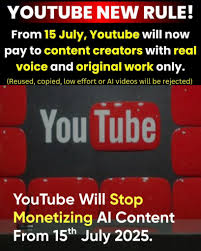
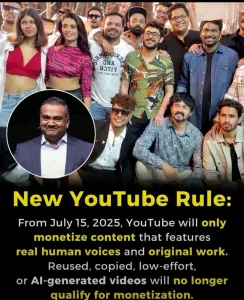
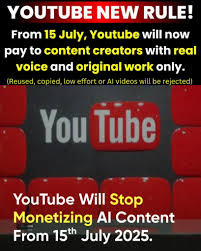
For creators, monetization rules have become stricter. YouTube has updated its policies to reduce earnings for channels that produce repetitive, low-quality, or mass-generated content. While AI-generated videos are not banned, YouTube now clearly prefers original, creative, and meaningful content for monetization. Creators are encouraged to add real value, personality, or useful information to their videos if they want to earn from ads. This update is important because it pushes creators to focus on quality instead of quantity.
YouTube has also removed its traditional Trending page and replaced it with category-based charts. Now users can see what is popular in specific areas such as music, gaming, or podcasts instead of one general trending list. This helps viewers find content that matches their interests more accurately. YouTube TV is also experimenting with flexible subscription plans, allowing users to choose bundles like sports or news instead of one fixed package.
In addition, YouTube has added more safety and parental control features. Parents can now manage teen accounts better by setting time limits and monitoring content. This shows YouTube’s focus on creating a safer environment for younger users.
Overall, YouTube’s latest updates show a clear direction toward smarter technology, global accessibility, better content quality, and stronger rules. The platform is evolving to serve both viewers and creators in a more balanced and responsible way.