
Online Hospital and Medical Information
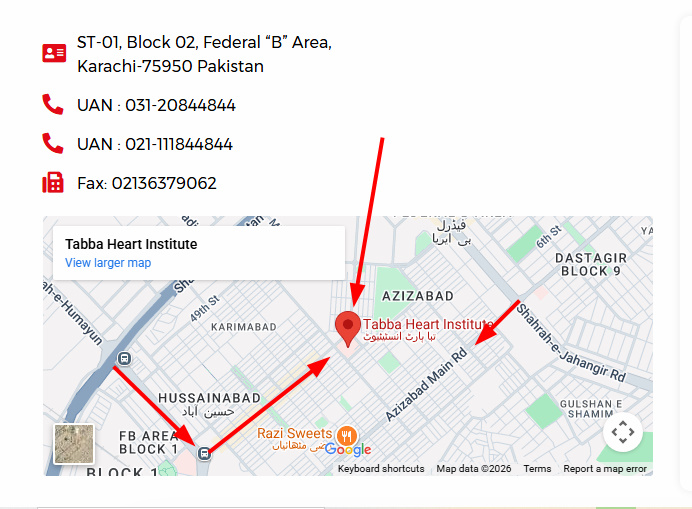
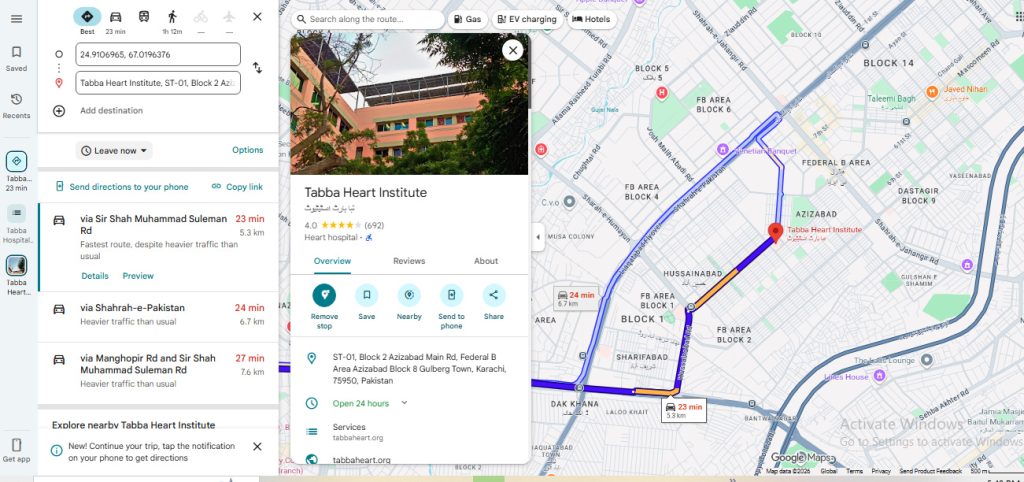
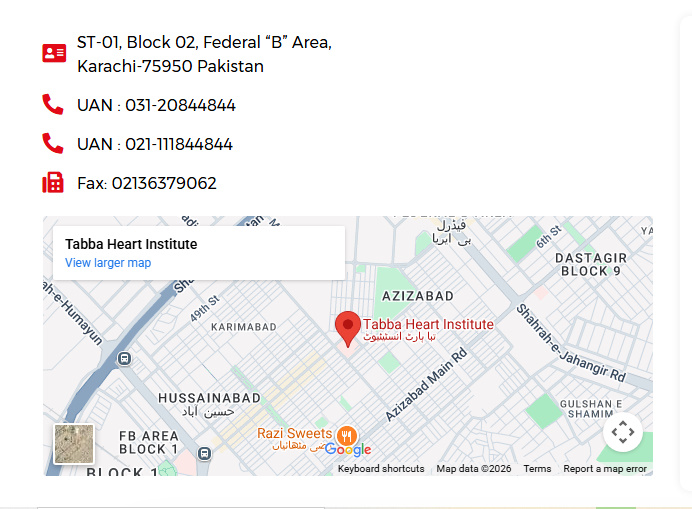
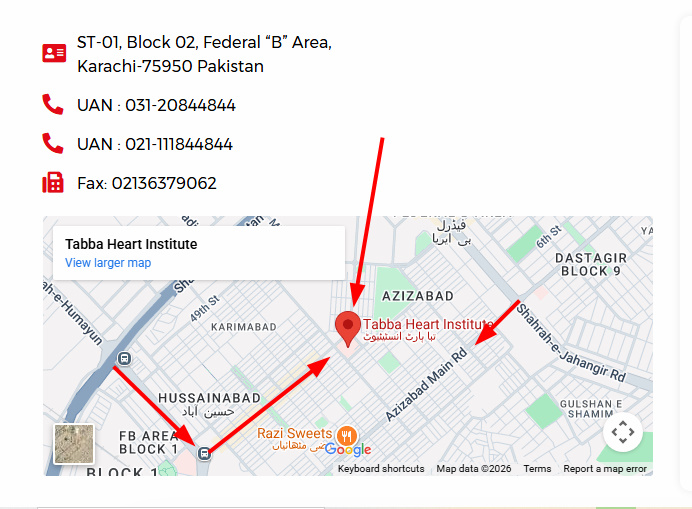
For Tabba Hospital karachi location open the below link https://tabbaheart.org/contact-us/
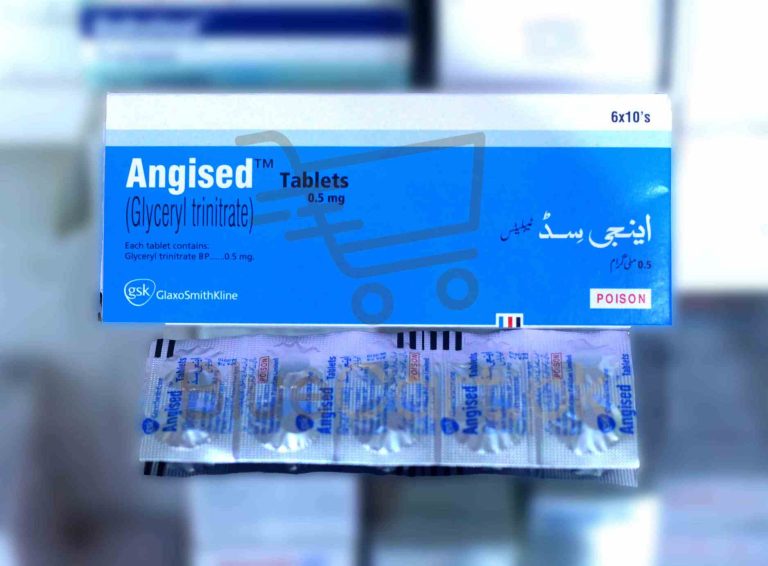
Remedies and totkey: green tea with half or full lemon juice, or fresh juices or ready-made packed juices, or 2 tablespoons of sugar water, or 2 pieces of Lasson. Garlic ke kha lein lain dekhen ager faida ho raha he to phir aur cheezen na khaen. Angised Tablet zuban ke neeche rakhen, or 2 Disprin tablets directly placed in the mouth orally munh mein rakhen ghulne den khaen nahin bus munh mein Rakhen ya zuban ke neeche to ghul jayi gi, or ambulance mn ya kisi gari mein bitha ker kisi ache hospital mein le jaen.
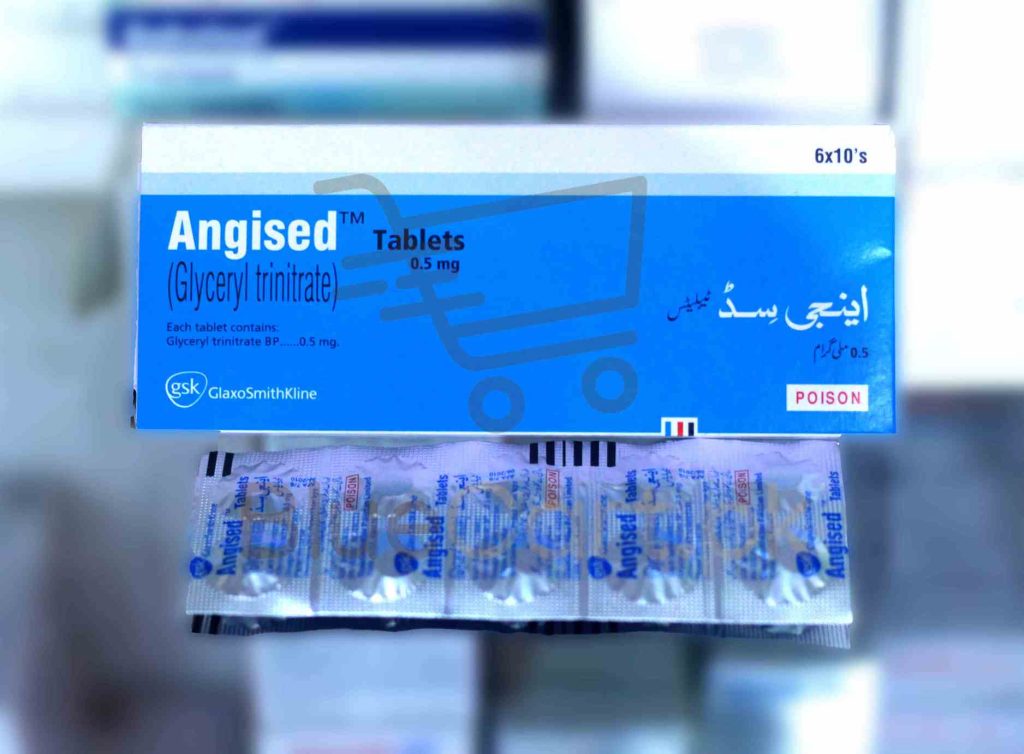
For first aid, when you feel the pain in your heart or chest, take 1 tablet of Angised and 2 Disprin orally into the mouth directly without water at a time, Angised. It should be placed under the tongue.
This message is dedicated to the base of humanity, not against any person or institution. If you know someone suffering from heart disease, serious illness, or recovering from a heart attack, please do not ignore their condition. Share guidance carefully and responsibly. If you are able to help on humanitarian grounds, try to support and assist them in reaching proper medical care. In Karachi, Tabba Heart Institute is widely known for heart treatment facilities and emergency cardiac care.
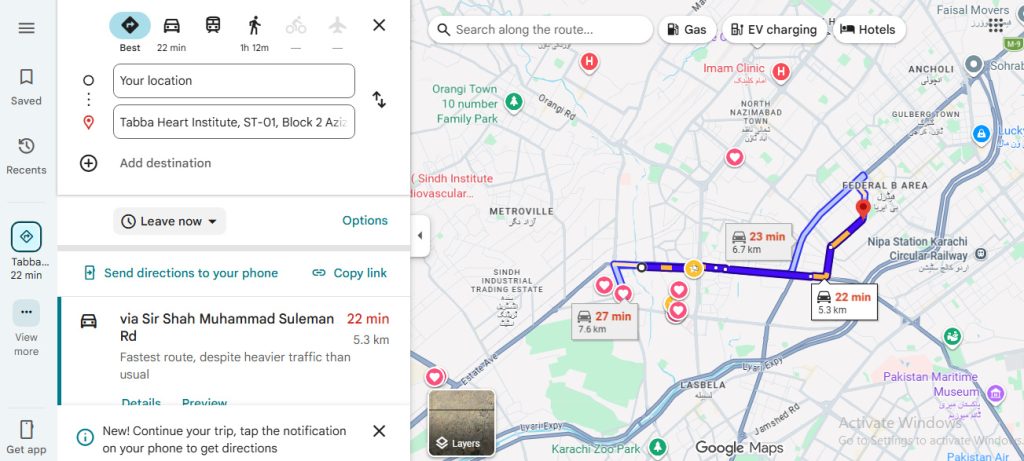
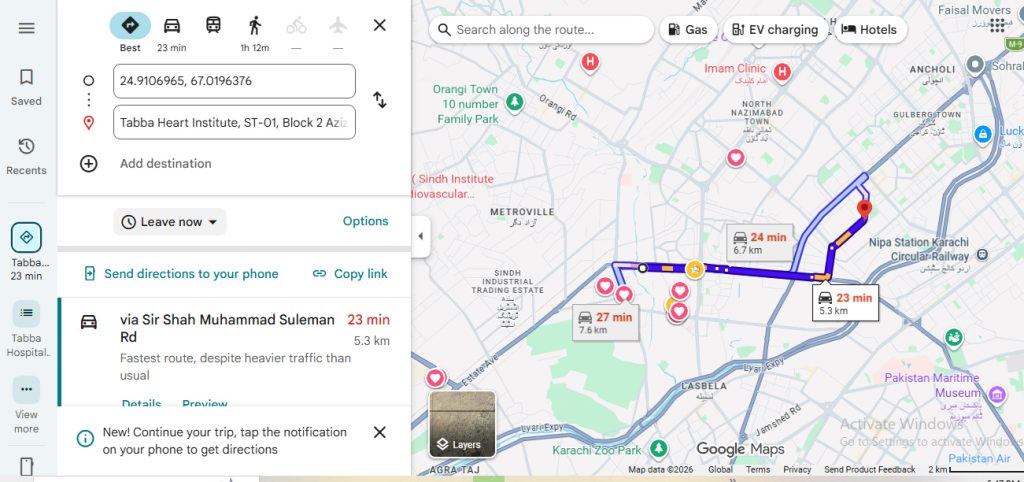
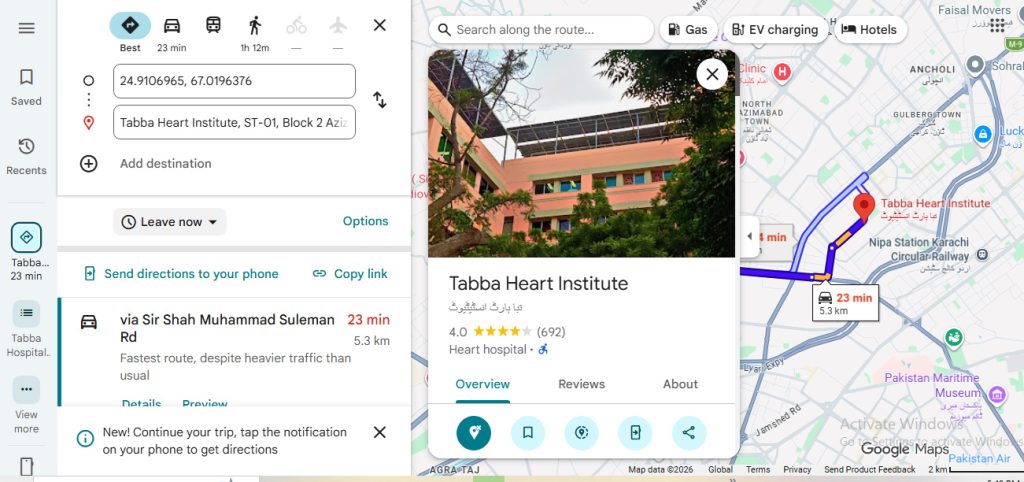
We request that patients and families always verify medical information directly from hospitals and consult qualified doctors before making any decision. Health matters are extremely sensitive and should be handled with responsibility, compassion, and verified facts.
This article also reflects public concerns about transparency, medical billing, and the management of charitable healthcare institutions in Pakistan. Many citizens feel that charity hospitals should strictly operate for public welfare, fairness, and accountability. There is a strong public demand that all charitable medical institutions in Karachi and across Pakistan should be monitored transparently, ensuring that funds, land, and donations are used only for healthcare services and not for any misuse.
We respectfully request the Government of Pakistan to strengthen oversight, improve healthcare regulations, and ensure that every hospital—whether public or private—maintains high standards of ethics, professionalism, and patient care. Emergency charges, surgical costs, and procedures such as angioplasty should be transparent, clearly explained, and fairly regulated so that patients are not financially burdened during critical times.
There is also a growing voice among the public that major public hospitals such as Jinnah Hospital and cardiovascular institutions should be further improved through international standards, independent audits, or collaboration with reputable global healthcare organizations to ensure better governance and service quality.
This article is not written to spread hatred or misinformation. It is written to encourage accountability, transparency, and better healthcare services for the people of Pakistan. Our aim is awareness, reform, and protection of innocent patients.
We appeal to authorities, policymakers, and even international health organizations, including the United Nations, to observe healthcare challenges in developing countries and support reforms that prioritize humanity above profit.
Healthcare is a basic right of every citizen. Compassion, honesty, and responsibility must always come before money. take the action immediately by Human Rights organization , UNO, World Health Organization, etc.
یہ پیغام انسانیت کے نام ہے۔ اگر آپ کے علم میں کوئی شخص دل کے مرض، کسی سنگین بیماری یا ہارٹ اٹیک کا شکار ہو تو اس کی حالت کو نظر انداز نہ کریں۔ معلومات ذمہ داری کے ساتھ شیئر کریں۔ اگر آپ انسانی ہمدردی
یہ پیغام انسانیت کے نام ہے۔ اگر آپ کے علم میں کوئی شخص دل کے مرض، کسی سنگین بیماری یا ہارٹ اٹیک کا شکار ہو تو اس کی حالت کو نظر انداز نہ کریں۔ معلومات ذمہ داری کے ساتھ شیئر کریں۔ اگر آپ انسانی ہمدردی کی بنیاد پر مدد کر سکتے ہیں تو کوشش کریں کہ مریض کو بروقت اور مناسب طبی سہولت تک پہنچایا جائے۔ کراچی میں Tabba Heart Institute دل کے امراض کے علاج اور ایمرجنسی کارڈیک سہولیات کے حوالے سے جانا جاتا ہے۔
ہم تمام مریضوں اور ان کے اہل خانہ سے گزارش کرتے ہیں کہ کسی بھی طبی فیصلے سے پہلے مستند ڈاکٹروں سے براہِ راست مشورہ کریں اور درست معلومات کی تصدیق ضرور کریں۔ صحت کا معاملہ نہایت حساس ہوتا ہے اور اسے ذمہ داری، احتیاط اور ہمدردی کے ساتھ سنبھالنا چاہیے۔



یہ تحریر عوامی سطح پر پائے جانے والے خدشات کی عکاسی بھی کرتی ہے جن کا تعلق طبی بلنگ، شفافیت اور فلاحی ہسپتالوں کے انتظام سے ہے۔ بہت سے شہریوں کا ماننا ہے کہ چیریٹی یا فلاحی ادارے مکمل طور پر عوامی خدمت، شفافیت اور دیانتداری کے اصولوں کے تحت چلنے چاہییں۔ کراچی اور پاکستان بھر کے تمام فلاحی طبی اداروں کی نگرانی مؤثر اور شفاف ہونی چاہیے تاکہ عطیات، زمین اور فنڈز صرف اور صرف صحت کی سہولیات پر خرچ ہوں۔
ہم حکومتِ پاکستان سے مؤدبانہ گزارش کرتے ہیں کہ صحت کے نظام میں نگرانی کو مضبوط بنایا جائے، قوانین کو مؤثر کیا جائے اور یہ یقینی بنایا جائے کہ ہر سرکاری اور نجی ہسپتال اخلاقیات، پیشہ ورانہ معیار اور مریضوں کی دیکھ بھال کے اعلیٰ اصولوں پر عمل کرے۔ ایمرجنسی چارجز، آپریشن کی فیس اور اینجیو پلاسٹی جیسے علاج کے اخراجات واضح اور منصفانہ ہونے چاہییں تاکہ مشکل وقت میں مریض مالی بوجھ کا شکار نہ ہوں۔
عوام کی ایک بڑی آواز یہ بھی ہے کہ بڑے سرکاری ہسپتالوں کو بین الاقوامی معیار کے مطابق بہتر بنایا جائے، آزادانہ آڈٹ کا نظام ہو اور عالمی سطح کے معتبر طبی اداروں کے ساتھ تعاون کیا جائے تاکہ گورننس اور سروس کا معیار بہتر ہو سکے۔
یہ تحریر نفرت یا غلط معلومات پھیلانے کے لیے نہیں لکھی گئی بلکہ اس کا مقصد احتساب، شفافیت اور بہتر صحت کی سہولیات کے لیے شعور بیدار کرنا ہے۔ ہمارا مقصد اصلاح، بہتری اور بے گناہ مریضوں کا تحفظ ہے۔
ہم متعلقہ حکام، پالیسی سازوں اور بین الاقوامی اداروں سے اپیل کرتے ہیں کہ وہ ترقی پذیر ممالک میں صحت کے مسائل کا سنجیدگی سے جائزہ لیں اور ایسے اقدامات کی حمایت کریں جن میں انسانیت کو منافع پر ترجیح دی جائے۔
صحت ہر شہری کا بنیادی حق ہے۔ ہمدردی، دیانت اور ذمہ داری ہمیشہ دولت سے مقدم ہونی چاہیے۔
شکریہ
For emergency treatment for a heart attack, take 2 Disprin in the mouth directly without water at a time in the mouth and take 1 tablet of Capoten, 1 Angised tablet It should be placed under the tongue. or 1 angilingual tablet It should be placed under the tongue. Along with 1 tablet of Lasix, 20 mg, with water, take juice or drink it with two spoons of sugar or two spoons of sugar in water. lemon juice, lemon pani, or grapefruit juice. Angiography and the way of treatment
contact@starmakerwm.com / email: bluemoon132@GMAIL.COM
Your Destination for first aid and Sustainable access for medical treatment, along with the Directory of hospitals and medical centers (government, private, charity-based, and welfare) and real and compressedcompressedfraudulent history, is posted here
Read more continuously.
2 Disprin in mouth directly without water at a time in the mouth
take 1 tablet of Capoten
1 Angised tablet below the tongue,
or 1 angilingual tablet below the tongue
along with Lasix, 20 mg,
take juice with two tablespoons of sugar, lemon juice,
lemon pani, or grapefruit juice, and
SmWm Welfare online Hospital (information)

Pharmacy and lab address: get the discount ofdiscount of more than 15 to 40%.
Simple Steps to Acquire Your Favorite Products
Industries We Serve
Our products cater to multiple industries and lifestyle needs.
SmWm Welfare online Hospital (information)
First Aid.
SmWm Welfare online Hospital (medical information)
Feedback, please.
SmWm Welfare online Hospital (information)
Feedback, please.
SmWm Welfare online Hospital
We provide a variety of clothing types for all occasions.

Starmakerwm.com/SmWm/SmWm online Hospital information
.

Starmakerwm.com/SmWm online Hospital information
.

Starmakerwm.com/SmWm online Hospital information
.
Starmakerwm.com/SmWm online Hospital information
Starmakerwm.com/SmWm/SmWmnline Hospital information
Starmakerwm.com/SmWm/SmWm online Hospital information

Starmakerwm.com/SmWm/SmWm online Hospital information

SmWm Welfare online Hospital (medical information)

Starmakerwm.com/SmWm online Hospital information

SmWm Welfare online Hospital (medical information)/feedback, please.
Discover Your Unique Style Today

Coronary angiography
Email this page to a friend Print Facebook X Pinterest
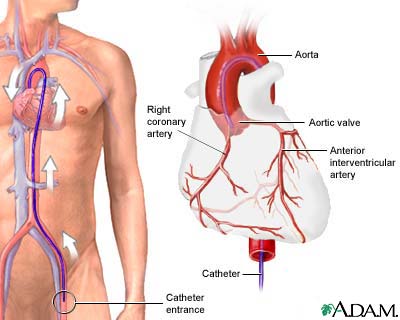
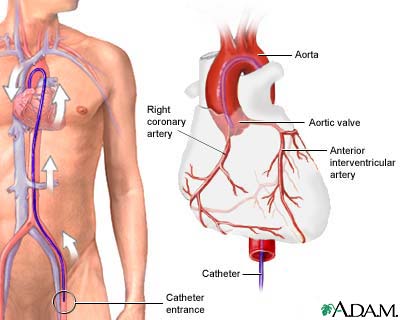
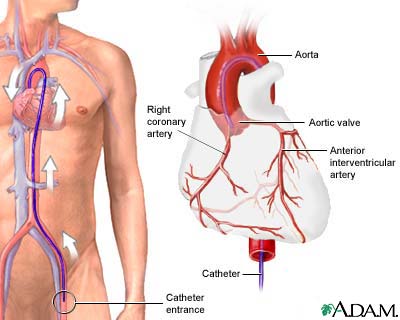
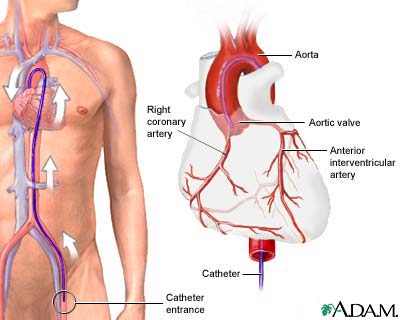
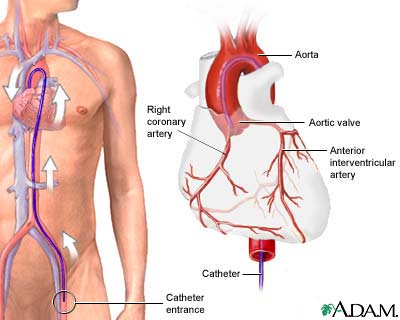
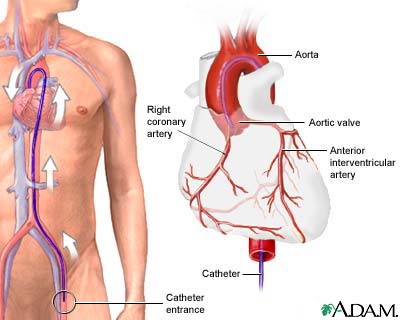
Coronary angiography is a procedure that uses a special dye (contrast material) and x-rays to see how blood flows through the arteries in your heart.
How the Test is Performed
Coronary angiography is sometimes performed with cardiac catheterization.
Before the test starts, you may be given a mild sedative to help you relax.
An area of your body (the arm or groin) is cleaned and numbed with a local numbing medicine (anesthetic). The cardiologist passes a thin hollow tube, called a catheter, through an artery and carefully moves it up into the heart. X-ray images help the doctor position the catheter.
Once the catheter is in place, dye (contrast material) is injected into the catheter. X-ray images are taken to see how the dye moves through the artery. The dye helps highlight any blockages in blood flow.
The procedure most often lasts 30 to 60 minutes.
Coronary angiography
How to Prepare for the Test
You should not eat or drink anything for 8 hours before the test starts.
You will wear a hospital gown. You must sign a consent form before the test. Your health care provider will explain the procedure and its risks.
Tell your provider if you:
Are allergic to any medicines or if you have had a bad reaction to contrast material in the past
Are taking sildenafil (Viagra), Avanafil (Stendra), tadalafil (Cialis) or other medicines from this class
Might be pregnant
How the Test will Feel
In most cases, you will be awake during the test. You may feel some pressure at the site where the catheter is placed.
You may feel a flushing or warm sensation after the dye is injected.
After the test, the catheter is removed. You might feel a firm pressure being applied at the insertion site to prevent bleeding. If the catheter is placed in your groin, you will be asked to lie flat on your back for a few hours to several hours after the test to avoid bleeding. This may cause some mild back discomfort.
Why the Test is Performed
Coronary angiography may be done if:
You have angina for the first time.
You have angina that is becoming worse, not going away, occurring more often, or happening at rest (called unstable angina).
You have aortic stenosis or another heart valve problem.
You have atypical chest pain, when other tests are normal.
You had an abnormal heart stress test.
You are going to have surgery on your heart and you are at high risk for coronary artery disease.
You have heart failure.
You have been diagnosed as having a heart attack.
Normal Results
There is a normal supply of blood to the heart and no blockages.
What Abnormal Results Mean
An abnormal result may mean you have a blocked artery. The test can show how many coronary arteries are blocked, where they are blocked, and the severity of the blockages.
Risks
Cardiac catheterization carries a slightly increased risk when compared with other heart tests. However, the test is very safe when performed by an experienced team.
Generally, the risk for serious complications ranges from 1 in 1,000 to 1 in 500. Risks of the procedure include the following:
Cardiac tamponade
Irregular heartbeats
Injury to a heart artery
Low blood pressure
Allergic reaction to contrast dye or a medicine administered during the exam
Stroke
Heart attack
Considerations associated with any type of catheterization include the following:
In general, there is a risk for bleeding, infection, and pain at the IV or catheter site.
There is a very small risk that the soft plastic catheters could damage the blood vessels or surrounding structures.
Blood clots could form on the catheters and later block blood vessels elsewhere in the body.
The contrast dye could damage the kidneys (particularly in people with diabetes or prior kidney problems).
Considerations
If a blockage is found, your cardiologist may perform a percutaneous coronary intervention (PCI) to open the blockage. This can be done during the same procedure, but may be delayed for various reasons.
Alternative Names
Cardiac angiography; Angiography – heart; Angiogram – coronary; Coronary artery disease – angiography; CAD – angiography; Angina – angiography; Heart disease – angiography
References
Dangas GD, Mehran R. Coronary angiography and intravascular imaging. In: Libby P, Bonow RO, Mann DL, Tomaselli GF, Bhatt DL, Solomon SD, eds. Braunwald’s Heart Disease: A Textbook of Cardiovascular Medicine. 12th ed. Philadelphia, PA: Elsevier; 2022:chap 21.
Lange RA, Mukherjee D. Acute coronary syndrome: unstable angina and non-ST elevation myocardial infarction. In: Goldman L, Cooney KA, eds. Goldman-Cecil Medicine. 27th ed. Philadelphia, PA: Elsevier; 2024:chap 57.
Teirstein PS, Kirtane AJ. Interventional diagnosis and treatment of coronary artery disease. In: Goldman L, Cooney KA, eds. Goldman-Cecil Medicine. 27th ed. Philadelphia, PA: Elsevier; 2024:chap 59.
Virani SS, Newby LK, Arnold SV, et al. 2023 AHA/ACC/ACCP/ASPC/NLA/PCNA Guideline for the management of patients with chronic coronary disease: A report of the American Heart Association/American College of Cardiology joint committee on clinical practice guidelines. Circulation. 2023;148:e9–e119. PMID: 37471501 pubmed.ncbi.nlm.nih.gov/37471501/.